Rosebel Gold Mine
Rosebel Gold Mine
Rosebel Gold Mine

The Rosebel Gold Mine is a world-class gold project and one of South America’s largest operational open-pit gold operations. Its main orebody remains open at depth and along the strike, indicating significant potential for resource expansion. Acquired by Zijin as a loss-making asset, the mine was soon turned profitable and now serves as a major gold producer and a key profit source for Zijin.

Visit project website
Rosebel Gold Mine
  • Location
    Brokopondo and Sipaliwini Districts in northern Suriname
  • Ownership
    80.75%
  • Status
    In production + undergoing expansion
  • Deposit type
    Archean greenstone-hosted gold deposit
  • Resources
    Contained gold: 360t, grade: 0.82 g/t
  • Mining & processing methods
    Open-pit mining + cyanide leaching
  • 2025 production
    Gold: 8.3t (100% basis)
  • Project Overview

    The Rosebel Gold Mine is a world-class gold mine and one of South America’s largest operational open-pit gold operations. Its main orebody remains open at depth and along the strike, indicating significant potential for resource expansion. Acquired by Zijin as a loss-making asset, the mine was soon turned profitable and now serves as a major gold producer and a key profit contributor for the company.

  • Construction and Debottlenecking

    Mine and processing plant expansions are currently underway. Upon reaching nameplate capacity, the operation will have an annual gold production capacity of 10 tonnes.

  • M&A

    In February 2023, Zijin Mining completed the acquisition of a 95% interest in the Rosebel Gold Mine, with the remaining 5% held by a Surinamese state-owned enterprise. Beginning in 2025, Zijin Mining has held the operation through Zijin Gold International and now owns an 80.75% interest.

ESG

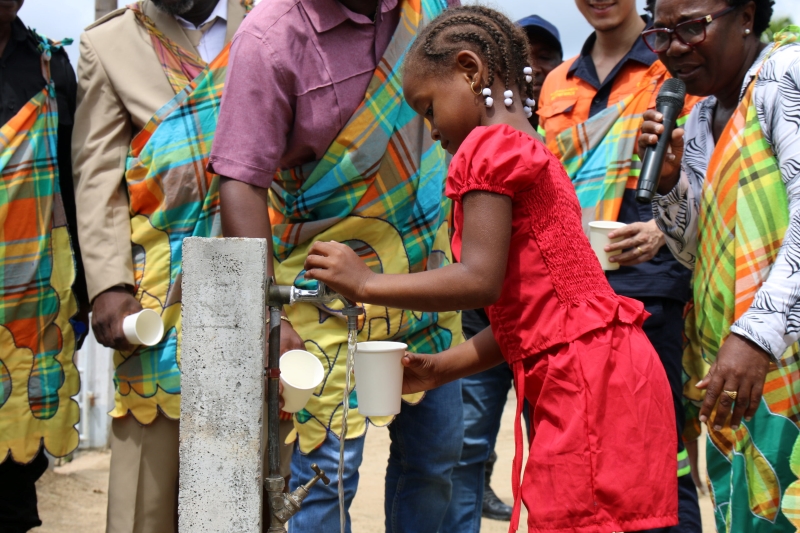
The mine follows the principle of “sharing development benefits with host-country stakeholders”. It strategically invests in local communities and drives workforce localization, community wellbeing, and risk management efforts. It implements a local employment strategy and has built a multicultural workforce with employees from 20 countries.

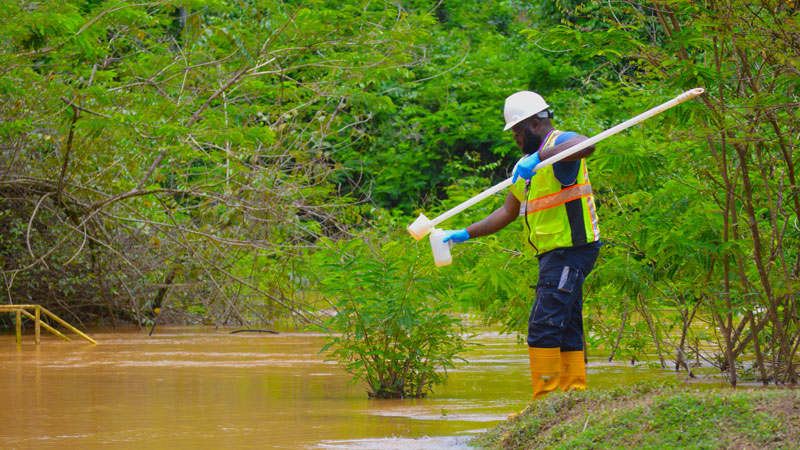
In 2025, the mine implemented 46 community projects and supported a further 40 small-scale community initiatives in response to formal donation requests, covering infrastructure and livelihood development. It also promotes local employment, contracting, and procurement while fulfilling its corporate responsibilities in areas such as biodiversity monitoring and sustainable water management.